
Why India Has Become a Trusted Destination for Healthcare
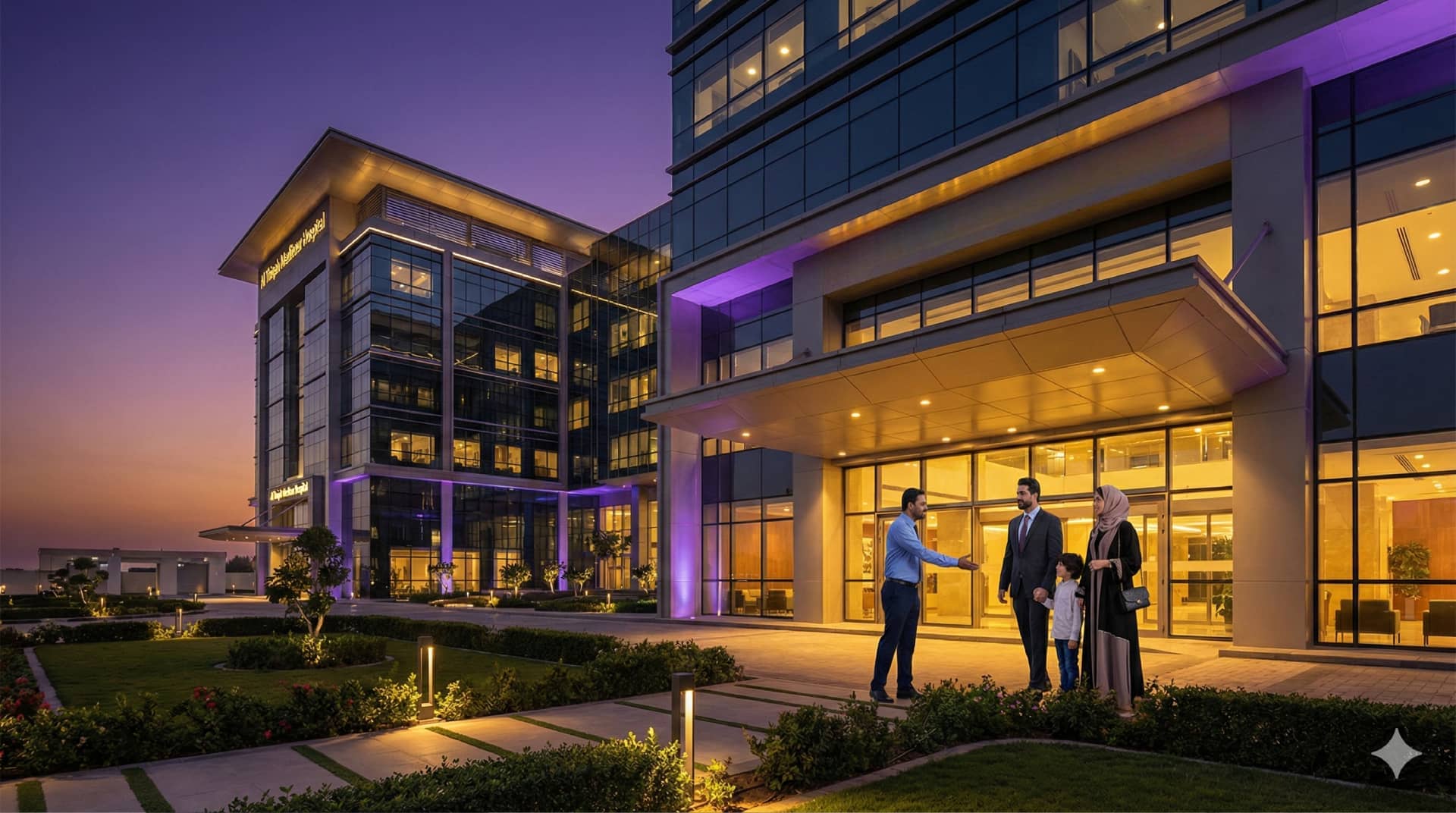
A Global Healthcare Hub
India has emerged as one of the world’s leading destinations for medical tourism. Every year, over 2 million patients from around the world travel to India for medical treatment. They come from the Middle East, Africa, Southeast Asia, Europe, and even the United States.
This is not a recent development. India has been building its healthcare capabilities for decades. Today, the country offers world-class medical care across virtually every specialty, from cardiac surgery to cancer treatment to organ transplants.
But what exactly makes India a trusted choice for patients seeking treatment abroad? This article examines the factors that have established India’s reputation in global healthcare.
World-Class Doctors
India produces some of the finest medical professionals in the world. Indian doctors are trained rigorously, with medical education that takes 10-15 years to complete including specialization. Many have trained or practiced internationally before returning to India.
What sets Indian doctors apart:
- Highly competitive medical education system
- Many trained at top institutions in the US, UK, and Europe
- High surgical volumes mean extensive hands-on experience
- Fluent English communication with international patients
- Reputation for taking time to explain and answer questions
- Expertise across all major medical specialties
Indian surgeons perform complex procedures that are sometimes not available in patients’ home countries. Doctors at leading hospitals have performed thousands of surgeries with outcomes comparable to the best hospitals anywhere in the world.
Modern Hospital Infrastructure
India’s top hospitals rival the best facilities anywhere. Multi-specialty hospitals like Medanta, Fortis, Max, and Apollo have invested heavily in infrastructure, technology, and international accreditation.
Features of India’s leading hospitals:
- Joint Commission International (JCI) accreditation
- State-of-the-art operation theaters
- Advanced diagnostic imaging (MRI, CT, PET-CT)
- Robotic surgery capabilities
- Dedicated transplant programs with high success rates
- Modern ICUs with advanced monitoring
- International patient departments with multilingual staff
These hospitals maintain international standards for safety, hygiene, and patient care. Regular audits and accreditation renewals ensure that standards do not slip. Many hospitals publish their outcome data transparently.
Advanced Medical Technology
Indian hospitals have access to the same cutting-edge technology used in Western countries. Investment in medical technology has been a priority for major hospital chains competing for international patients.
Advanced technologies available in India:
- Da Vinci robotic surgery systems
- CyberKnife and TrueBeam for precision radiation
- Hybrid operating rooms for complex procedures
- 3D printing for surgical planning and implants
- Advanced cardiac catheterization labs
- Proton therapy for cancer treatment
- Minimally invasive surgery capabilities
Technology alone does not guarantee good outcomes — skilled hands and experienced judgment matter more. But having access to advanced tools allows Indian doctors to offer the same sophisticated treatments available anywhere in the world.
Significant Cost Savings
Perhaps the most compelling reason patients choose India is cost. Medical treatment in India typically costs 50-80% less than in Western countries. This makes procedures accessible to patients who cannot afford them at home.
Why costs are lower in India:
- Lower operational and infrastructure costs
- Lower labor costs across the healthcare system
- Favorable currency exchange rates
- Different healthcare economics and pricing models
- Competition among hospitals keeps prices reasonable
The cost difference is not due to inferior care. A heart bypass surgery costing $100,000 or more in the United States can be performed for $10,000-15,000 in India by equally qualified surgeons using the same equipment. The quality is comparable; the economics are different.
Excellence in Key Specialties
India has developed particular strength in certain medical specialties. High patient volumes in these areas mean doctors have extensive experience and hospitals have refined their processes.
Specialties where India excels:
- Cardiac surgery and interventional cardiology
- Orthopedic surgery including joint replacements
- Organ transplants (liver, kidney, bone marrow)
- Cancer treatment and oncology
- Neurosurgery and spine surgery
- Fertility treatments and IVF
- Ophthalmology and eye surgery
Indian cardiac surgeons perform some of the highest volumes of heart surgeries in the world. Transplant programs have developed expertise through treating complex cases that come from across Asia and Africa. This experience translates to better outcomes.
English-Speaking Environment
Language barriers are a major concern for medical travelers. In India, English is widely spoken, especially in healthcare settings. This makes communication between patients and medical staff straightforward.
Doctors, nurses, and administrative staff at international hospitals are fluent in English. Medical records, consent forms, and discharge summaries are in English. Patients can communicate directly with their medical team without relying solely on translators.
For patients who speak Arabic, Russian, French, or other languages, major hospitals have translation services available. But the baseline English capability makes India accessible to patients from virtually anywhere in the world.
Practical Considerations
Beyond medical quality, practical factors make India a convenient destination for medical travel. The country has developed infrastructure specifically to serve international patients.
What makes medical travel to India practical:
- Well-connected international airports in major cities
- Medical visa process for patients and attendants
- Wide range of accommodation options near hospitals
- Familiar cuisine options including halal food
- Reliable local transportation
- Pleasant weather during most of the year
- Established medical tourism facilitators
India is accessible from most countries in the Middle East, Africa, and Asia with direct flights. Cities like Delhi and Mumbai are major international hubs with modern airports and good ground transportation.
Track Record With International Patients
India’s hospitals have decades of experience treating international patients. This experience has led to systems and processes designed specifically for patients traveling from abroad.
How hospitals serve international patients:
- Dedicated international patient departments
- Assistance with visa letters and documentation
- Airport pickup and local transportation
- Coordination of appointments and admissions
- Help with accommodation near the hospital
- Dietary accommodations for different cultures
- Follow-up care coordination after return home
Hospitals that treat many international patients understand what foreign visitors need. From the moment you arrive until you leave, systems are in place to make your experience smooth. This institutional experience reduces the uncertainty of traveling abroad for treatment.
Making Your Decision
Choosing where to receive medical treatment is a significant decision. India offers a compelling combination of quality, affordability, and accessibility that has made it a trusted option for millions of patients.
The right choice depends on your specific medical needs, budget, and circumstances. Not every patient needs to travel abroad for treatment. But for those who do, India provides options that may not be available or affordable at home.
If you are considering treatment in India, we can help you understand your options, connect with appropriate hospitals and doctors, and navigate the practical aspects of your medical journey. Contact us to discuss your situation.
Begin Your Medical Journey
At Al Thiqah Meditour, we do not just connect you to healthcare, we connect you to hope, healing, and a healthier future. Allow us to personally guide and support you every step of the way.