
What Your Family Should Know Before Traveling With You
The Role of a Companion
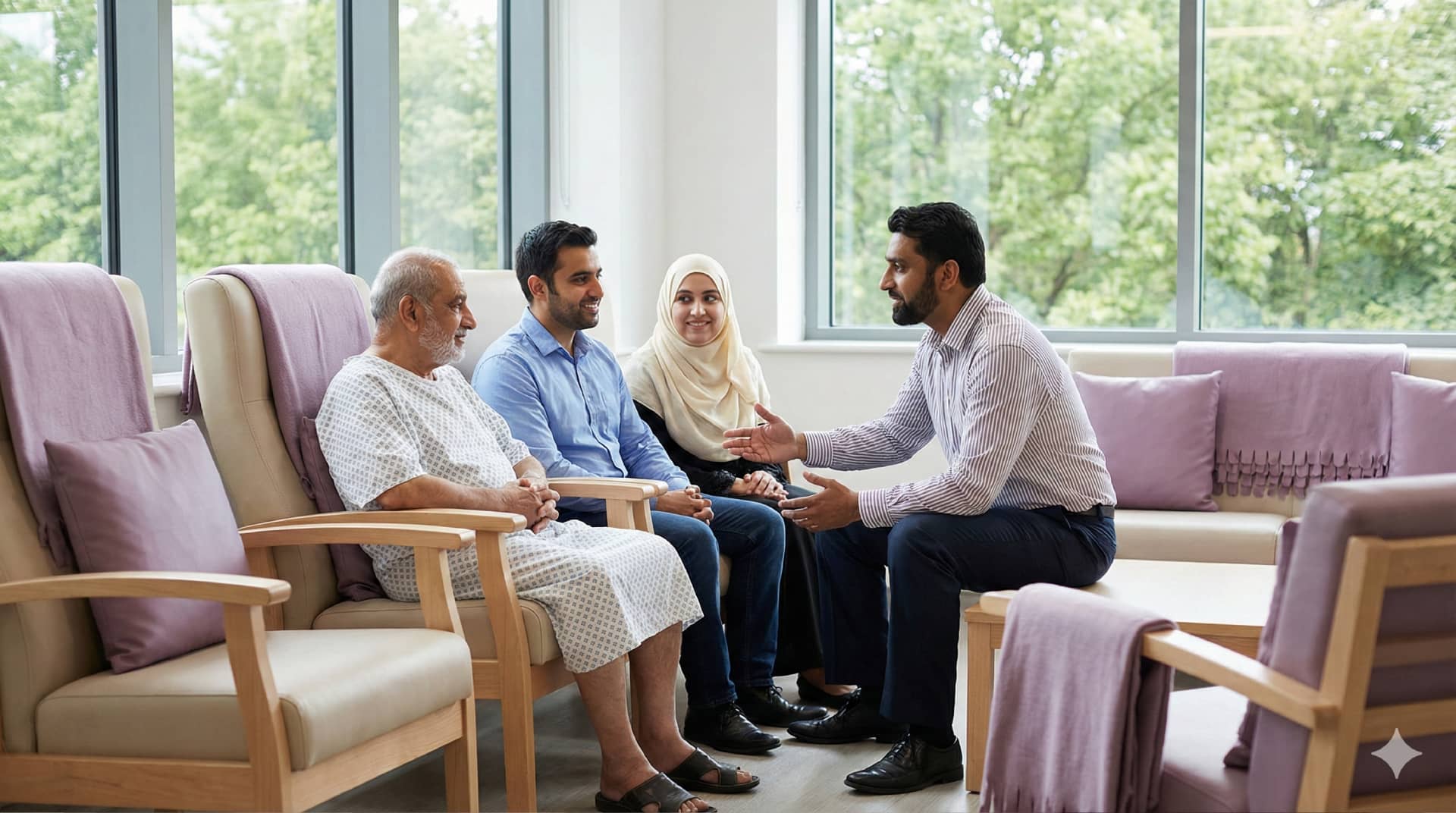
Having a family member or close friend accompany you for medical treatment abroad is invaluable. Your companion provides emotional support, helps with practical tasks, and serves as an advocate when you are not feeling well enough to handle things yourself.
But being a caregiver during a medical trip is demanding. It requires patience, flexibility, and understanding of what lies ahead. This guide helps companions prepare for their role so they can support you effectively while also taking care of themselves.
Whether it is a spouse, adult child, sibling, or friend, your companion should read this before the trip. Knowing what to expect makes the experience easier for both of you.
Accommodation Considerations
Your companion will spend significant time at accommodation outside the hospital. Choosing the right place matters for their comfort and ability to support you effectively.
What companions should look for in accommodation:
- Proximity to the hospital (15-20 minutes maximum)
- Basic kitchen facilities for preparing light meals
- Reliable WiFi for staying connected with family
- Laundry facilities or nearby laundry service
- Comfortable sleeping arrangements for extended stays
- Safe neighborhood with nearby shops and restaurants
Most hospitals have tie-ups with nearby hotels and guesthouses. We can arrange accommodation that meets these criteria. For longer stays, serviced apartments offer more space and better value.
Daily Routine During Treatment
Your companion’s daily schedule will revolve around hospital visiting hours, the patient’s needs, and their own self-care. Establishing a routine early helps maintain energy over what can be a long trip.
A typical day might include:
- Morning visit to the hospital to speak with doctors
- Time at the bedside during visiting hours
- Breaks for meals and rest (caregivers need to eat too)
- Handling practical tasks like pharmacy runs or paperwork
- Evening visit before hospital quiet hours
- Communication with family back home
- Adequate sleep to maintain stamina
Companions should not try to spend every waking moment at the hospital. Rest is essential. Hospitals have nursing staff around the clock, and patients are well cared for even when family is not present.
Supporting the Patient
Emotional support is perhaps the most important thing a companion provides. Being in a foreign country for medical treatment is stressful. Having a familiar face and voice makes an enormous difference.
Ways companions can support patients:
- Be present and reassuring, especially before and after procedures
- Help communicate with medical staff if the patient is too tired
- Keep notes of doctor instructions and medication schedules
- Bring comfort items from the accommodation (favorite snacks, books)
- Help with personal care tasks when needed
- Encourage the patient without pushing too hard
- Handle logistics so the patient can focus on recovery
Sometimes the best support is simply being there quietly. Patients recovering from surgery may not want conversation but appreciate knowing someone familiar is nearby.
Communicating With Medical Staff
Companions often become the primary point of contact with doctors and nurses, especially if the patient is sedated, in pain, or simply too tired to engage. Understanding how to communicate effectively is important.
Tips for communicating with medical staff:
- Ask questions — doctors expect and welcome them
- Take notes during doctor visits (it is easy to forget details)
- Request clarification if something is not understood
- Learn the names of key nurses and the doctor on duty
- Ask about the daily plan and expected progress
- Raise concerns promptly rather than waiting
Indian hospitals are accustomed to family involvement in patient care. Medical staff will keep companions informed and appreciate engaged family members who help ensure smooth care.
Food and Cultural Adjustment
Companions need to eat well to maintain their own health. Indian food is diverse and flavorful, but it may be different from what you are used to. Most areas near major hospitals have restaurants serving various cuisines.
Food tips for companions:
- Hospital cafeterias offer reasonably priced meals
- Many restaurants near hospitals serve international cuisine
- Halal food is widely available in major cities
- Vegetarian options are abundant throughout India
- Street food is tempting but stick to reputable restaurants
- Bottled water is recommended for drinking
- If you have a kitchen, simple cooking can provide familiar meals
Start with milder dishes if you are not used to Indian spices. There is no need to eat very spicy food — mild options are always available. Ask for “less spicy” when ordering if needed.
Taking Care of Yourself
Caregiver burnout is real. Companions who neglect their own health and wellbeing cannot support patients effectively. Taking care of yourself is not selfish — it is necessary.
Self-care for companions:
- Get enough sleep, even if it means leaving the hospital earlier
- Eat regular meals, do not skip food to stay longer at the hospital
- Take short walks or do light exercise
- Stay connected with family and friends at home
- Allow yourself to feel stressed or worried — it is normal
- Take breaks from the hospital environment
- Ask for help if you need it
If you are struggling, tell us. We can arrange additional support, whether that means help with practical tasks or simply someone to talk to who understands what you are going through.
After Discharge
The companion’s role becomes even more important after the patient leaves the hospital. Recovery continues at the hotel or apartment, and the patient will need assistance with daily activities.
Post-discharge responsibilities often include:
- Helping with medication schedules
- Preparing appropriate meals
- Assisting with mobility and personal care
- Accompanying the patient to follow-up appointments
- Monitoring for any signs of complications
- Providing emotional support during recovery
- Keeping family at home updated
This period can be challenging because it lacks the structure of the hospital. Create a simple daily routine that includes rest, meals, medications, and light activity as recommended by the doctor.
Practical Tips for Companions
Small practical things can make a big difference in your experience as a companion. These tips come from families who have been through this before.
Practical advice:
- Bring comfortable walking shoes — you will walk a lot
- Carry a small bag with essentials (phone charger, snacks, water)
- Download entertainment on your phone for waiting times
- Learn a few basic Hindi phrases — locals appreciate the effort
- Keep important documents organized and accessible
- Take photos of prescription labels and important papers
- Have local emergency numbers saved in your phone
Being prepared for the practical aspects frees you to focus on what matters most — supporting your loved one through their treatment and recovery.
You Are Not Alone
Being a companion during medical treatment abroad is challenging, but you are not doing this alone. The hospital staff, our team, and other families going through similar experiences are all part of your support network.
Do not hesitate to ask for help when you need it. Whether it is explaining something about the treatment, arranging practical support, or just having someone to talk to, we are here throughout your journey.
Your presence means more to the patient than you may realize. By preparing yourself for this role, you are giving them the gift of focused, capable support during one of the most difficult times in their life.
Begin Your Medical Journey
At Al Thiqah Meditour, we do not just connect you to healthcare, we connect you to hope, healing, and a healthier future. Allow us to personally guide and support you every step of the way.