
What to Expect on Your First Medical Trip to India
Arriving in India
Your first impression of India will be at the airport. Most international patients land at Indira Gandhi International Airport in Delhi or Chhatrapati Shivaji Maharaj International Airport in Mumbai. These are modern, well-organized airports with clear signage in English.
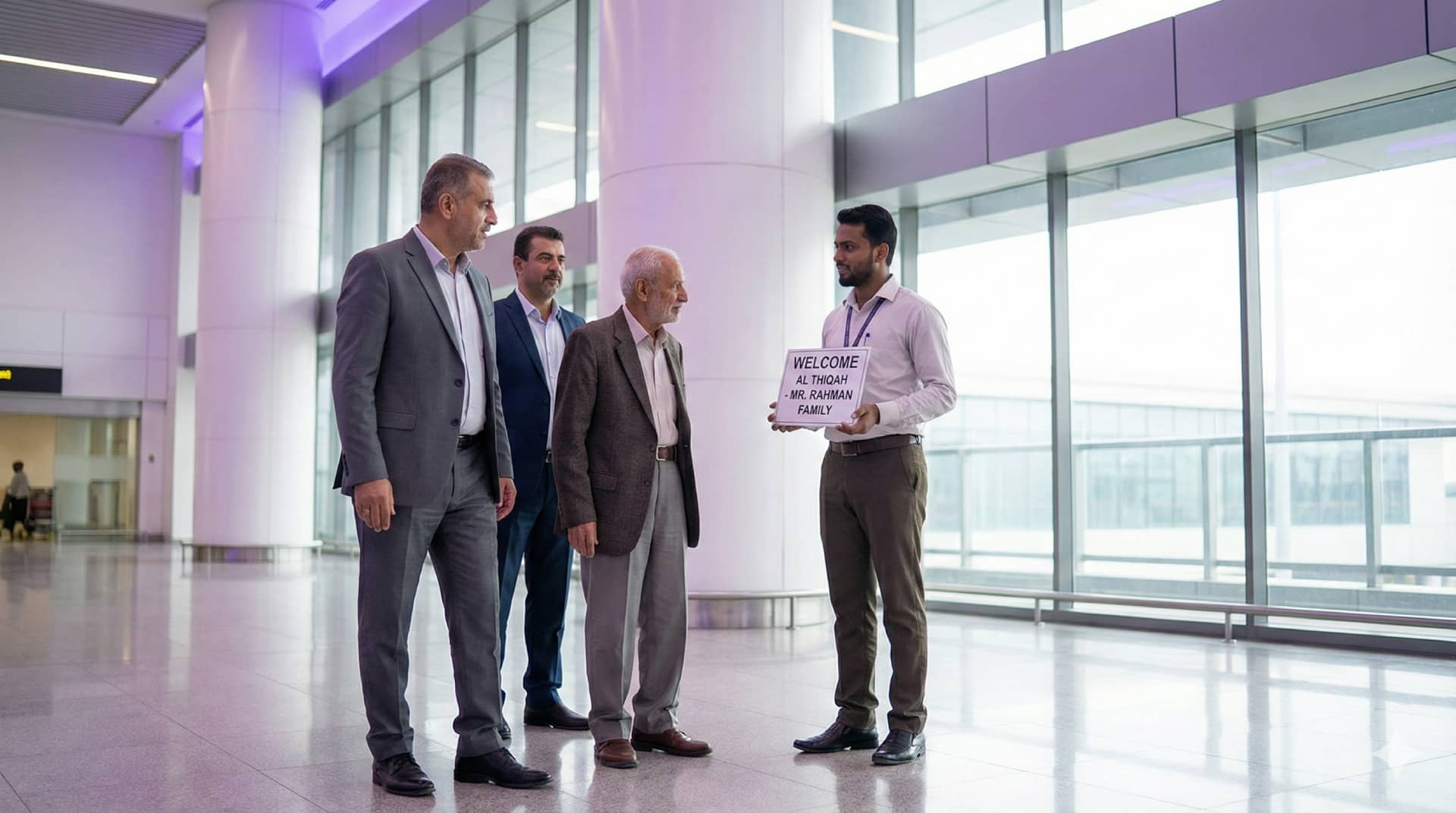
If you have arranged your trip through Al Thiqah Meditour, our representative will meet you at the arrivals gate. They will help you with luggage, guide you through customs, and take you directly to your accommodation or hospital. This removes the stress of navigating an unfamiliar city after a long flight.
Immigration is straightforward if you have your medical visa ready. Keep your hospital appointment letter, passport, and visa documents handy. Officers may ask a few questions about your treatment, so be prepared with basic details about your procedure and which hospital you are visiting.
Your First Hospital Visit
Indian hospitals that cater to international patients are different from what many expect. Facilities like Medanta, Fortis, and Max Healthcare have international patient departments with dedicated staff who speak multiple languages and understand the needs of foreign visitors.
Your first visit will typically include:
- Registration and document verification
- Initial consultation with your specialist
- Diagnostic tests if not already done
- Treatment plan discussion and cost estimate
- Scheduling of your procedure or surgery
Hospitals have translators available for patients who do not speak English or Hindi. If you need an interpreter for a specific language, let us know in advance so we can arrange one.
Language and Communication
English is widely spoken in Indian hospitals, especially in major cities. Doctors, nurses, and administrative staff at international hospitals communicate fluently in English. You will not face significant language barriers during your treatment.
Outside the hospital, English is commonly understood in urban areas. Taxi drivers, hotel staff, and restaurant workers generally speak enough English for basic communication. For deeper conversations or specific needs, your facilitator can help translate.
We recommend saving important phrases in your phone’s notes app, just in case. But honestly, most patients are surprised by how easy communication is in India.
Food and Dietary Needs
Indian hospitals understand that patients from different countries have specific dietary requirements. Most hospitals offer a variety of cuisines including Continental, Middle Eastern, and Asian options. Halal food is available in all major hospitals, and vegetarian options are plentiful.
During your hospital stay, the kitchen can prepare meals according to your dietary restrictions. Just inform the nursing staff about any allergies, religious requirements, or personal preferences. They are experienced in accommodating international patients.
For family members staying outside the hospital, there are many restaurants nearby that serve familiar food. We can recommend places that serve cuisine from your home country if you need a taste of home.
Accommodation Options
Where you stay depends on your treatment timeline and budget. Many patients stay at hotels near the hospital before and after their procedure. We work with hotels that are used to hosting medical travelers and understand their needs.
Some hospitals have guesthouses or serviced apartments attached to their campus. These are convenient if you need to be close for follow-up visits or if you are recovering from surgery and want minimal travel.
For longer stays, we can arrange furnished apartments that feel more like home. These work well for patients undergoing chemotherapy, dialysis, or other treatments that require multiple hospital visits over weeks or months.
Getting Around
Transportation in India has improved dramatically in recent years. App-based cab services like Uber and Ola are reliable and affordable. They work exactly like ride-sharing apps in other countries, and payment can be made by card or cash.
For airport transfers and hospital visits, we arrange private vehicles with drivers who know the city well. This is more comfortable than navigating public transport, especially when you are not feeling well or recovering from a procedure.
Delhi and Mumbai also have modern metro systems that are clean, air-conditioned, and easy to use. Many patients use the metro for sightseeing once they are feeling better after their treatment.
Money and Payments
The Indian Rupee (INR) is the local currency. Most hospitals accept international credit and debit cards, but it is good to have some cash for small expenses. ATMs are available everywhere, and currency exchange counters are at airports and major hotels.
Hospital bills are typically settled before discharge. You will receive a detailed estimate before your procedure, and the final bill will include all charges. Keep all receipts for insurance claims if applicable.
Tipping is not mandatory but appreciated for good service. A small tip for hospital attendants, drivers, or restaurant staff is common practice, usually around 10% of the bill or ₹50-100 for small services.
During Your Treatment
Indian doctors are known for their skill and for taking time to explain things clearly. Do not hesitate to ask questions about your treatment, recovery timeline, or any concerns you have. Good communication with your medical team leads to better outcomes.
Hospital rooms for international patients are usually private, with attached bathrooms, television, and space for a family member to stay overnight. The nursing staff provides round-the-clock care and can be reached with a call button.
Visiting hours are flexible for family members. Most hospitals understand that patients from abroad may not have many visitors, so they allow more access than the standard visiting hours.
Heading Home
Before you leave India, you will have a final consultation with your doctor. They will provide a detailed discharge summary, medication prescriptions, and instructions for continued care at home. Make sure you understand everything before you leave.
If you need a fit-to-fly certificate, the hospital will provide one. Some airlines require this for passengers who have recently had surgery. Check with your airline about their requirements before booking your return flight.
Our team will help you with airport transfers and ensure you reach your terminal comfortably. We also provide follow-up support after you return home, including teleconsultations with your doctor if needed.
Final Thoughts
Traveling to a new country for medical treatment is a big decision. It is natural to feel nervous about the unknown. But thousands of patients visit India every year and leave with positive experiences and successful treatments.
The key is preparation. Know what to expect, have your documents in order, and work with a reliable facilitator who can handle the logistics. When the practical details are taken care of, you can focus on what matters most — your health and recovery.
If you have questions about planning your medical trip to India, reach out to us. We are here to help you every step of the way.
Begin Your Medical Journey
At Al Thiqah Meditour, we do not just connect you to healthcare, we connect you to hope, healing, and a healthier future. Allow us to personally guide and support you every step of the way.