
Recovery After Surgery: What Happens in the First Few Weeks
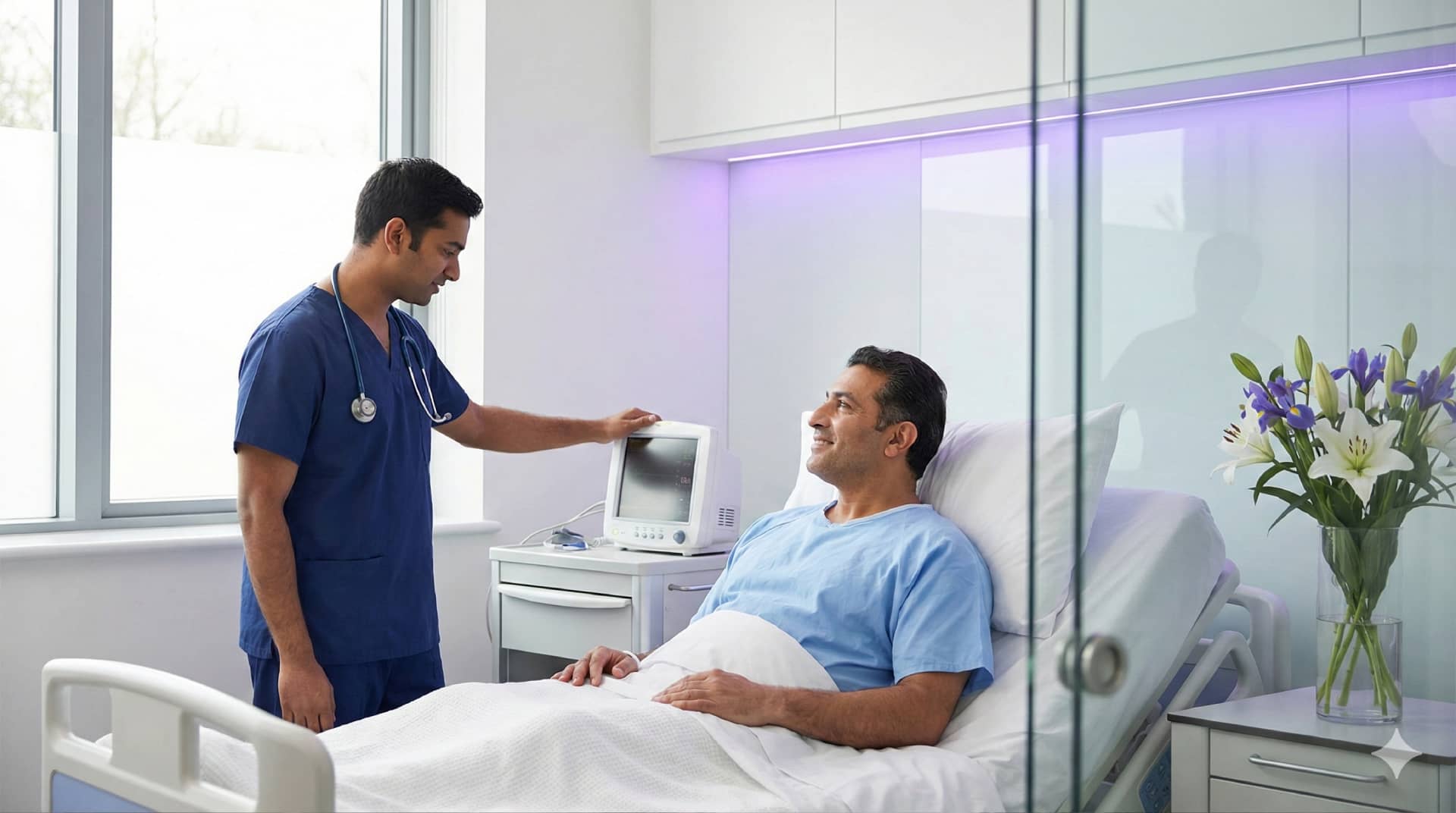
The Reality of Recovery
Recovery from surgery is a process, not an event. Many patients focus so much on the surgery itself that they underestimate what comes after. Understanding the recovery timeline helps you prepare mentally and practically for this important phase.
The first few weeks after surgery are typically the most challenging. Your body is healing, you may have pain and limited mobility, and you are in an unfamiliar environment. This article walks you through what to expect so you can face recovery with realistic expectations.
Every patient heals differently, and every procedure has its own recovery pattern. Use this as a general guide, but always follow your specific surgeon’s instructions for your situation.
The First 24-48 Hours
Immediately after surgery, you will be in the recovery room or ICU depending on your procedure. This is the most intensive monitoring period. Nurses check your vital signs frequently and manage your pain and comfort.
What to expect in the first 48 hours:
- Grogginess from anesthesia that gradually clears
- Pain that is managed with medications
- Limited mobility — you may need help with basic movements
- IV lines for fluids and medications
- Monitoring equipment attached to your body
- Restricted diet, often starting with liquids
- Frequent checks by nursing staff
This period passes faster than you think. The medical team is focused on ensuring you are stable and comfortable. Your job is simply to rest and let your body begin its healing process.
The Hospital Stay
The length of your hospital stay depends on your procedure. Minor surgeries may require only 1-2 days, while major operations like heart surgery or transplants need 7-14 days or more. Your doctor will give you an expected timeline.
During your hospital stay:
- Pain management transitions from IV to oral medications
- Physical therapy may begin, even in bed
- You will gradually increase activity — sitting, standing, walking
- Diet progresses from liquids to soft foods to regular meals
- Wound care and monitoring for infection
- Daily visits from your surgical team
- Gradual removal of tubes, drains, and monitoring equipment
Do not rush to leave the hospital early. Those extra days allow medical staff to catch any complications early when they are easier to treat. Trust your doctor’s judgment on when you are ready for discharge.
Recovery Outside the Hospital
After discharge, you will continue recovery at your hotel or accommodation. This is often the most challenging part for international patients because you are away from the structured hospital environment.
What recovery outside the hospital involves:
- Taking medications on schedule
- Wound care and dressing changes
- Gradual increase in physical activity
- Rest and adequate sleep
- Proper nutrition to support healing
- Watching for warning signs of complications
- Follow-up visits to the hospital as scheduled
Having a companion is particularly valuable during this phase. They can help with daily tasks, remind you about medications, and accompany you to follow-up appointments. If you traveled alone, let us know and we can arrange support.
Managing Pain and Medications
Some pain after surgery is normal and expected. The goal is not to eliminate pain completely but to manage it well enough that you can rest, move, and participate in your recovery. Pain improves gradually over days and weeks.
Pain management tips:
- Take pain medications as prescribed, do not wait until pain is severe
- Tell your doctor if pain is not adequately controlled
- Understand that some discomfort during movement is normal
- Use positioning and pillows to stay comfortable
- Pain typically peaks around day 2-3 and then improves
- Wean off strong painkillers gradually as directed
Keep a simple log of your medications, when you take them, and how your pain levels change. This helps you and your doctor understand how well your pain is being managed.
Physical Activity and Rehabilitation
Early movement is important for recovery. It prevents complications like blood clots, improves circulation, and helps you regain strength. But you need to balance activity with rest and follow your surgeon’s specific guidelines.
Activity progression typically looks like:
- Day 1: Sitting up in bed, possibly standing briefly
- Days 2-3: Short walks in the room or corridor
- Week 1: Longer walks, sitting in a chair for meals
- Weeks 2-3: Increased walking, light daily activities
- Weeks 4+: Gradual return to normal activities as cleared
For certain surgeries, formal physiotherapy is part of recovery. Joint replacements, spine surgery, and some cardiac procedures require structured rehabilitation. We can arrange physiotherapy sessions at your hotel or at outpatient facilities.
Nutrition During Recovery
Your body needs proper nutrition to heal. After surgery, appetite is often reduced, but eating well supports your recovery. Focus on protein for tissue repair, and stay hydrated.
Nutrition guidelines:
- Eat protein-rich foods (eggs, chicken, fish, lentils)
- Include fruits and vegetables for vitamins
- Drink plenty of water and fluids
- Eat smaller, frequent meals if appetite is low
- Avoid heavy, greasy foods that are hard to digest
- Limit caffeine and alcohol during recovery
- Follow any specific dietary instructions from your doctor
If you are staying in accommodation with kitchen facilities, your companion can prepare suitable meals. We can also recommend restaurants or meal delivery services that provide appropriate food for recovery.
Warning Signs to Watch For
While most recoveries proceed smoothly, complications can occur. Knowing the warning signs helps you seek help promptly if something is wrong. Do not ignore concerning symptoms.
Contact your doctor immediately if you experience:
- Fever above 38°C (100.4°F)
- Increasing pain instead of gradual improvement
- Redness, swelling, or discharge at the wound site
- Difficulty breathing or chest pain
- Severe nausea or vomiting
- Signs of blood clot (leg swelling, calf pain)
- Confusion or unusual drowsiness
- Any symptom that concerns you
It is always better to call about a concern that turns out to be nothing than to ignore something serious. Your medical team would rather answer questions than deal with a complication that was caught late.
When Can You Fly Home
One of the most common questions is when you can travel back home. Flying too soon after surgery carries risks. Your doctor will clear you for travel based on your specific procedure and recovery progress.
General guidelines for flying after surgery:
- Minor procedures: Usually 3-7 days
- Orthopedic surgery: 2-4 weeks depending on procedure
- Abdominal surgery: 1-2 weeks minimum
- Cardiac surgery: 2-4 weeks typically
- Major operations or transplants: 4-6 weeks or longer
Your surgeon will provide a fit-to-fly certificate when you are cleared for travel. Some airlines require this for recent surgical patients. Book flexible return tickets so you can adjust dates if your recovery takes longer than expected.
Recovery Takes Time
The first few weeks are just the beginning. Full recovery from major surgery can take months. Be patient with yourself and do not expect to feel normal right away. Gradual, steady progress is the goal.
Once you return home, continue following your surgeon’s instructions. Attend any recommended follow-up appointments with local doctors. If you have questions or concerns after leaving India, we can help arrange teleconsultations with your Indian medical team.
Recovery is challenging, but it leads to the better health you traveled for. Stay focused on that goal, follow medical advice, and give your body the time it needs to heal completely.
Begin Your Medical Journey
At Al Thiqah Meditour, we do not just connect you to healthcare, we connect you to hope, healing, and a healthier future. Allow us to personally guide and support you every step of the way.